Our Methods
Our research is mostly qualitative, combining:
- Documentary analysis of government and corporate documents, news reports, and so on;
- Expert and elite interviews – used to obtain information and elicit views that go beyond those contained in official documentation and news reports; and
- Site visits to methane-emitting and methane-capture locations, for direct observation and informal discussions with local facilities managers, workers, activists and users – all with the aim of investigating methane emissions and governance in practice.
Our research spans sectors and sources: we focus particularly on the oil and gas, livestock, solid waste and coal sectors, though we are also interested in other sources (including rice, wastewater and ‘natural sources’), as well as on non-sector specific methane issues and initiatives.
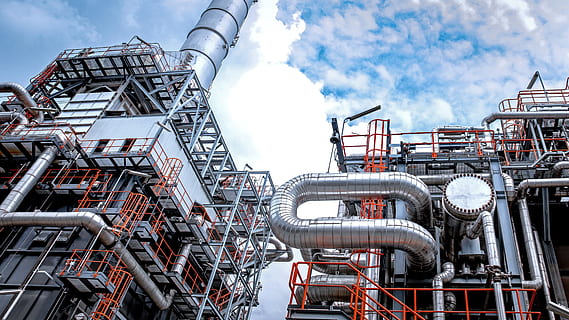
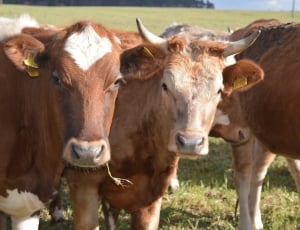

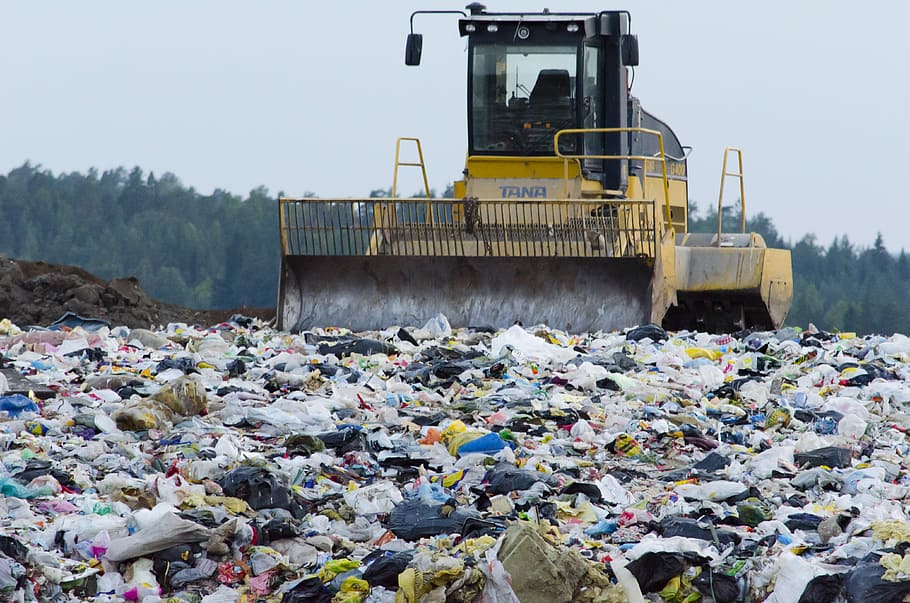
Our research also spans continents: we will be undertaking primary research on more than a dozen countries across global North and global South, and on every continent. Our list of case study countries is not yet finalised but will include all of the top five methane emitters (China, the US, India, Brazil and Russia), the EU (given the importance of its 2024 Methane Regulation) and the UK (where pilot research will be undertaken).
We will be undertaking long-term field research on most of these sectors and countries, and will also be comparing between them – in particular by asking why methane emission abatement efforts have been more successful in some contexts than in others.
Along the way, we will draw extensively on, and engage with, scientific, modelling and quantitative evidence on methane issues.
And the project will benefit from extensive knowledge exchange with scientific, policy and practitioner communities.