About Methane
Methane is a powerful greenhouse gas, with a global warming potential over a twenty-year timescale that is 81 times higher than carbon dioxide.
This is important as methane emissions and atmospheric methane levels have risen steeply over the past two hundred years. In 1800, the Earth’s atmosphere was around 740 parts per billion (ppb) methane. Today, by contrast, our atmosphere is around 1950 ppb methane, and the 2000 ppb threshold looks set to be breached by 2030 or shortly after. Global atmospheric methane levels have risen since 1800 at a notably faster rate (by over 2.6 times) than those of CO2 (by 1.5 times).
Methane’s powerful warming effect combined with these rising atmospheric levels make it a major contributor to anthropogenic climate change. Methane is the second biggest historical contributor to climate change, after only CO2, and is estimated to be responsible for around a third of the warming to have taken placed since pre-industrial times.

And yet methane is also a short-lived greenhouse gas, with an atmospheric lifetime of around 12 years only.
This is both good and bad news. It is bad news in that it means there has been an even steeper increase in emissions than in atmospheric methane levels.
But it also presents an opportunity, since any reduction in methane emissions would not just slow the rate of atmospheric warming, as with CO2, but also exert a downward pressure on global temperatures. Reflecting this, the 2021 Global Methane Assessment suggested that a halving of methane emissions would avoid around 0.3°C warming by 2036-50. Methane is often referred to as a potential ‘emergency brake’ on climate change.
Anthropogenic methane emissions come from a variety of sources but above all from:
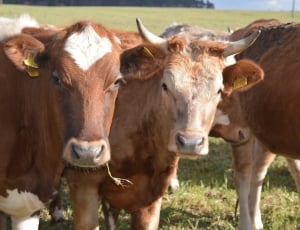
- Agriculture, especially livestock eructation (belching), manure, and rice farming – accounting for around 40% of emissions;
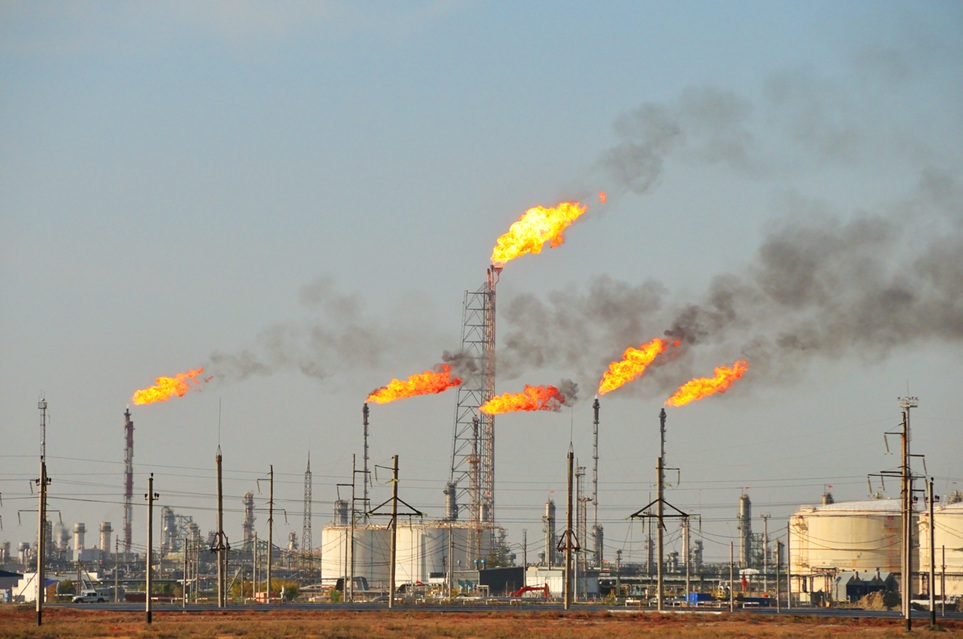
- Oil, gas and coal production and supply chains – probably accounting for just under 40% of emissions; and
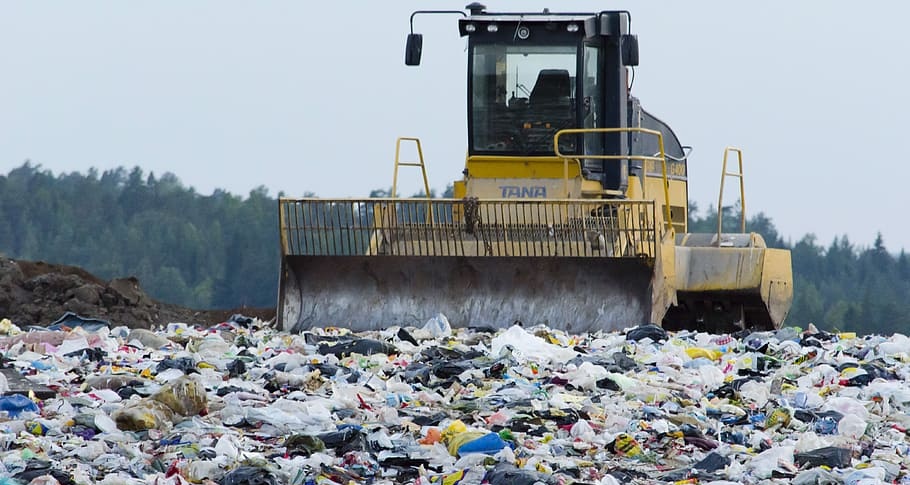
- Solid waste and wastewater – accounting for around 20% of emissions.
- In addition, there are ‘natural emissions’ from wetlands, which may be affected by warming and other anthropogenic influences.
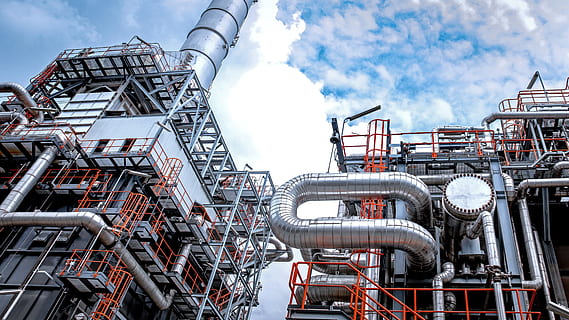

Though some emissions are much harder to control than others, many are technically preventable at very low, or no, net cost. The IEA, for example, has estimated that almost 45% of oil and gas sector methane emissions could be avoided at no net cost by 2030.
Reflecting all this, the 2021 Global Methane Pledge, launched at COP26 in Glasgow, set a target of reducing global methane emissions by at least 30% below 2020 levels by 2030; more than 150 states have now endorsed this pledge. A raft of new national and international action plans, policies and sector-specific methane reduction initiatives have been developed since then.
Yet atmospheric methane levels keep rising.
The current socio-environmental ‘methane conjuncture’ thus combines: i) a historically unprecedented worsening of the world’s methane problem; ii) clear evidence of the benefits that would follow from rapid emission cuts; and iii) various embryonic, and often experimental, national and international methane reduction initiatives.